
Car Care and Car Culture Throughout History

Sunday car wash in the driveway
In the 1950s, the car was more than just a mode of transport –
it was a symbol of the family's upward mobility. Many had
worked hard for years before they could finally park their first car in
the driveway. And when Sunday came, it was time for the week's grand ritual:
the car wash.
Fathers in white tank tops bent over the bonnet with bucket and
sponge. The children were tasked with the garden hose, and laughter mingled with the smell
of soap and petrol. Passing neighbours nodded in approval. A shiny car
was not just an expression of hygiene – it was a sign of self-respect,
for the family and for the life they had built.
The car was often the same for many years, sometimes decades. It
was cared for and polished with pride, and every shining reflection in the paintwork reminded
the owner that the effort paid off. Taking care of the car was taking care of one's status,
and in the neighbourhood, everyone knew who had the most gleaming ride on the street.
Today, much has changed, but that feeling still exists.
Standing outside and watching the car reflect the sun after a thorough wash is timeless. In
keeping with tradition, we nostalgically offer a kit with the most fundamental
items needed to keep your car clean.
Exactly what you need to give your car the same pride
that Dad had when he stood in the driveway with his bucket 70 years ago.




The 1960s and 70s – "Freedom, style, and raw muscle"
In the 60s and 70s, the car became more than a means of transport –
it became a symbol of freedom and individuality. For many young people,
their first car was not just a way to get from A to B, but a ticket out into
the world. The roads beckoned, and the music from the radio became the soundtrack to a new
lifestyle.
In the USA, muscle cars took the stage – the Ford Mustang, Chevrolet
Camaro, and Dodge Charger set the standard for raw power and broad charisma. Even in
Norway, car culture captured people's imagination: large American vehicles became a
rare but sought-after sight, and those who owned such a car quickly became the center of attention
at the gas station. The sound of a V8 was as much a status symbol as the car's appearance.
But whether you had a muscle car or a more modest
utility car, one thing was certain: the car had to shine. Young people spent
hours polishing chrome, scrubbing rims, and ensuring the paint reflected
the evening sun. It wasn't just about driving – it was about being seen, and
for many, the car was an extension of their personality.
Today, you don't need to spend hours scrubbing chrome with
old rags to achieve the same shine. With modern car care products, you can
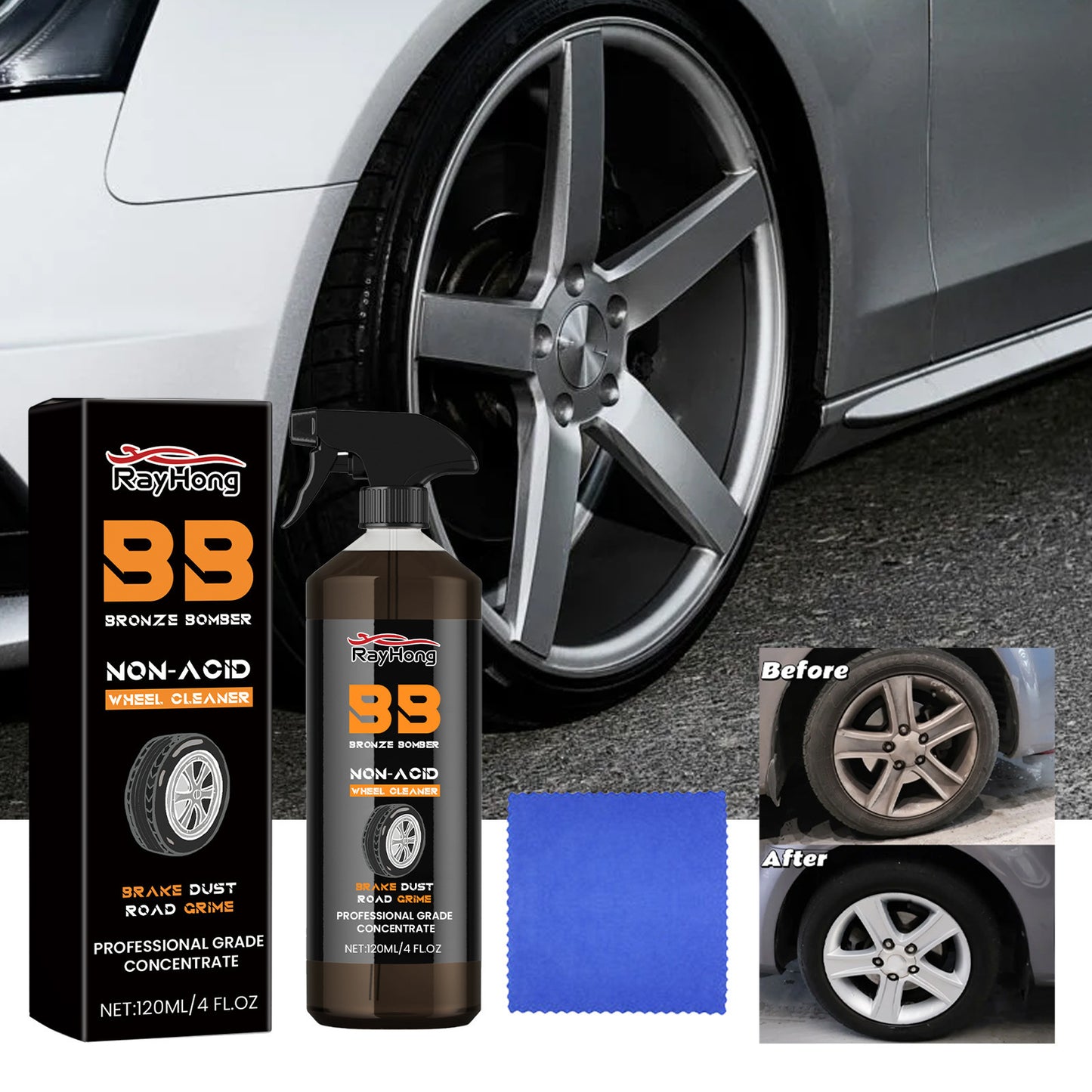
achieve that 70s shine in a fraction of the time. A good example is a Wheel Cleaner,
which gives wheels depth, shine, and protection – exactly what car enthusiasts of the
70s dreamed of, but without all the hassle.



The 1980s – regulations, compromises, and genuine enthusiasm
The 1980s was a time when the automotive world faced major changes. New emission requirements and strict regulations forced car manufacturers to think differently. Catalytic converters, smaller engine capacities, and lower power became the norm, and many felt that cars lost some of the sparkle and raw power they had in previous decades.
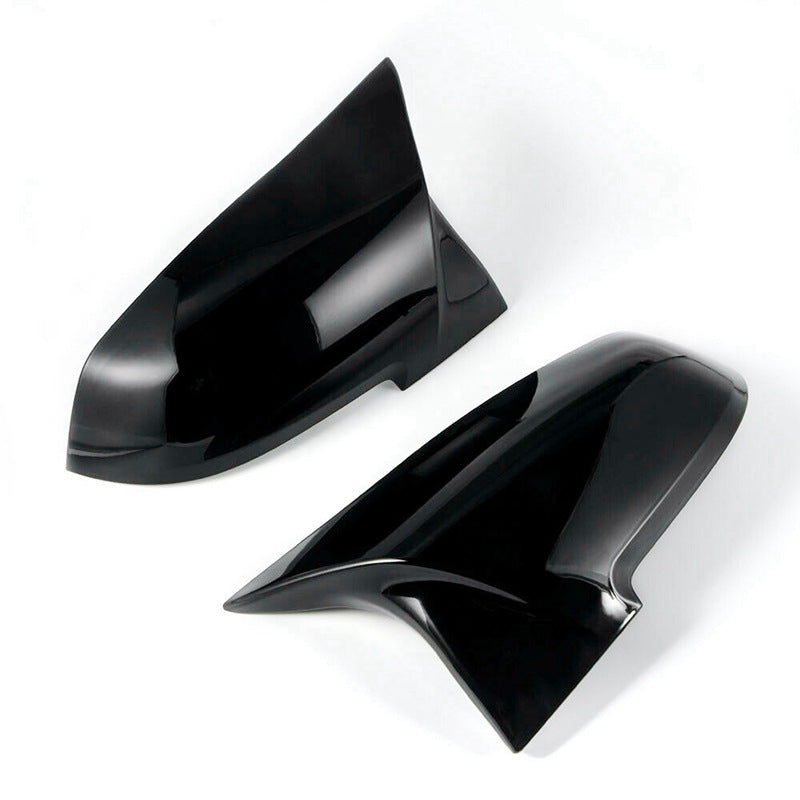
For car enthusiasts, this became a challenge. The joy of owning a car was no longer just about following developments – it was about preserving the culture. Many tinkered themselves, modified their engines, and found creative ways to bring back power and personality to their cars. At the same time, interest in European brands like BMW and Audi grew, where sporty handling and driving pleasure became a new focus.
Even though the regulations of the time forced cars to become more “civilized,” car culture flourished among enthusiasts. Car care became a way to maintain pride: shiny paint, clean rims, and a well-maintained interior became symbols that the passion for cars still lived on, even in an era of compromises.
Today, we can look back at the 80s as proof that true enthusiasm cannot be stifled by rules and limitations. Whether it was polishing chrome on a classic or keeping a sleek BMW in top condition, the love for the car was at the center.


The 1990s – the last analog era
The 1990s was the decade where car culture had one foot in the past and one in the future. On the one hand, the enthusiasm for large engines, gas-guzzling Chevrolet Vans, and Japanese turbo classics like the Supra and Skyline was still alive. On the other hand, manufacturers began experimenting with computer control, electronic systems, and more fuel-efficient solutions.
Car care and the joy of driving were still closely tied to the garage and the driveway. Many young people bought older cars, often with more cylinders than their wallets truly allowed, and spent evenings tinkering, polishing, and styling. Owning a car in the '90s was as much a social experience as a transportation need – meet-ups, cruising, and shiny bonnets were a natural part of the culture.
Even though regulations became stricter, there was still room to cultivate the joy of cars. Enthusiasts took pride in keeping their cars clean, shiny, and unique. A new wax, a gleaming rim, or a detailed interior wasn't just maintenance – it was an identity.
Today, we can look back at the '90s as the last great analog era before digitalization truly took over. A decade where you could still feel the machinery directly, without screens between the driver and the car – and where car care was still about genuine craftsmanship, sweat, and passion.



2000s – when diesel took over
The 2000s marked a shift in car culture. Strict environmental requirements and taxes forced car manufacturers to innovate. Gasoline cars were suddenly branded as villains, while diesel engines gained a reputation for being both economical and environmentally friendly. Overnight, buying a gasoline car became almost "wrong"—everyone wanted a diesel, preferably a turbodiesel.
Enthusiasts were not deterred. Diesel engine tuning became a new trend, and many discovered how much extra power could be extracted from a seemingly ordinary family car. The 2000s were therefore characterized as much by homemade tuning projects as by factory novelties.
At the same time, rust was a major problem, especially here in the Nordic countries. Road salt and poor factory protection meant that many cars quickly developed visible flaws. Car care thus became even more important—not just for the shine, but to preserve the car itself. Wax, polishing, and paint protection were no longer just for the most avid enthusiasts but almost a necessity if one wanted the car to survive more than a few winters.
In many ways, the 2000s were the beginning of a more regulated and sensible automotive world, but beneath the surface, enthusiasm lived on. Whether it was shiny rims on a station wagon or mirror-like hood paint on a rust-prone sedan—car care was the key to keeping the dream alive.


2010–2020 – the balance between ruthlessness and technology
The 2010s were the decade when cars found a perfect balance. Finally, one got the best of both worlds: raw driving characteristics and classic engine joy combined with technology that made everyday life easier. Large navigation screens, crystal-clear sound, Bluetooth, and modern infotainment made cars more comfortable than ever – without removing the feeling of truly driving.
For enthusiasts, this decade opened up a new world. Tuning became easier than before, with software upgrades, chip-tuning, and greater access to styling parts from all over the world. At the same time, the cars still had their analogue soul intact – you could feel the engine, hear the turbo, and still experience true mechanical prowess, even in a car with a touchscreen and fancy design.
The design became sleeker, the interiors more luxurious, and the joy of driving got a boost. Cars had come a long way since the rust buckets of the 90s and the diesel soot of the 2000s – now one could combine gleam, comfort, and power in a way that appealed to both enthusiasts and the average driver.
Car care also became a trend in itself. YouTube, forums, and social media made detailing a phenomenon – shiny paint, ceramic coating, and perfect interiors became a must for everyone who truly loved their car. It was no longer just a matter of maintenance, but a lifestyle and an expression of identity.
The years 2010–2020 therefore stand out as a golden era – a decade where technology elevated cars, but enthusiasm still guided them. A decade where the car was still more than transport – it was an experience, a sanctuary, and for many: a declaration of love on four wheels.




The Future – A New Era for Car Culture
We are now on the threshold of a new era in automotive history. Electric cars, self-driving technology, and increasingly stringent emission requirements point towards a world where fossil fuels belong to the past. For many, this is an exciting development – quiet engines, zero emissions, and futuristic solutions that promise to make everyday life easier.
But the question is: will car enthusiasm disappear when the sound of exhaust and the smell of petrol are gone? Or is it precisely now that a new generation is emerging – a generation that preserves combustion engines, classic cars, and everything that made us love cars in the first place?
Perhaps we will see two worlds living side by side. The digital and emission-free, where the car is a smart tool. And the passionate, where enthusiasts still tinker, polish, tune, and care for old heroes from the car's golden age.
One thing is for sure: as long as there are people who feel pride when the paint gleams in the sun, who smile when the engine roars to life, and who see the car as more than just a means of transport – then car culture will never die. It will simply find new forms.